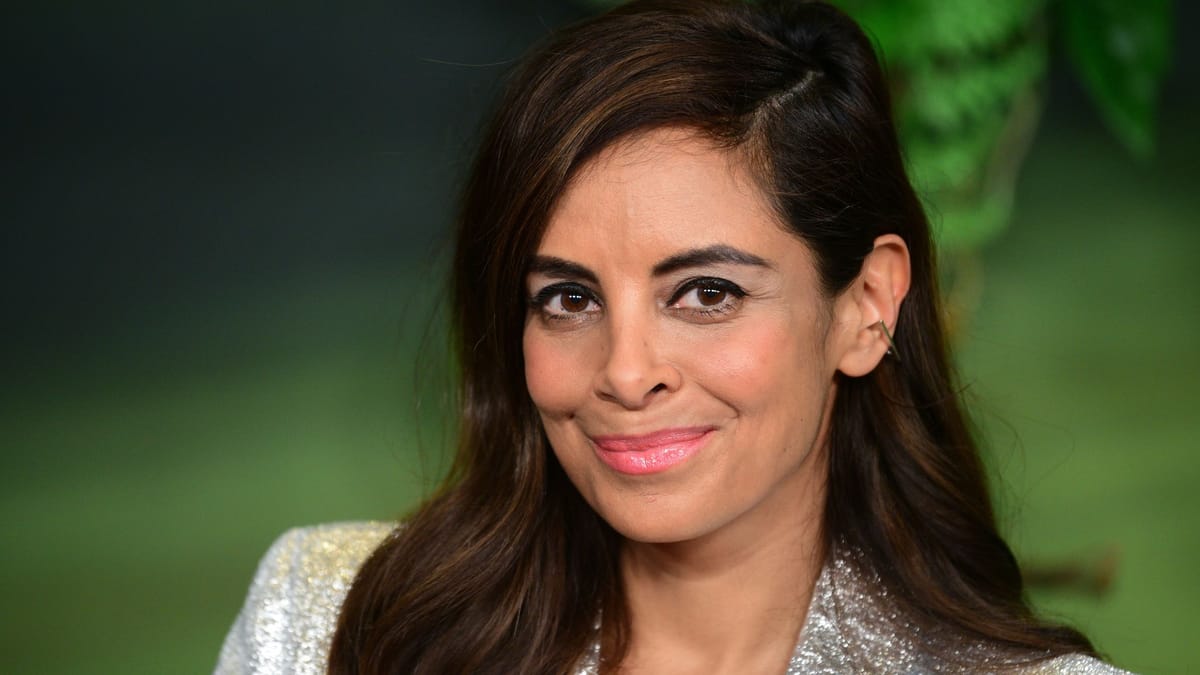
Collien Fernandes' Instagram Dilemma: Ex-Husband's Name Stays, Highlighting Deeper Digital Scars
For many, a divorce signifies a definitive separation, a closing of one chapter to begin another. Yet, for German television personality Collien Fernandes, the transition has been fraught with unexpected digital complications. Months after her divorce from actor Christian Ulmen, Fernandes finds herself entangled in a peculiar online predicament: she cannot remove her ex-husband's name from her verified Instagram account. This isn't just a minor inconvenience; it's a stark reminder of how digital identities, once intertwined, can remain stubbornly linked, especially when compounded by grave underlying allegations. The desire for "Christian Ulmen Instagram Gelöscht" – or rather, the removal of his name from her digital presence – has become a poignant symbol of a larger struggle for autonomy and digital safety in the modern age.
The Persistent Digital Footprint: Why a Name Change Isn't Simple
Collien Fernandes, a well-known figure, operates a verified Instagram account, a badge of authenticity and public recognition. For verified accounts, altering fundamental details like a username or display name can be a complex process, often requiring stringent review by the platform's administrators. The rationale behind such strictness is understandable: to prevent impersonation, maintain account integrity, and ensure the public can reliably identify genuine public figures.
However, this rigidity, designed for security, can inadvertently trap individuals in distressing situations. For Fernandes, the inability to easily change her account name, which likely includes a reference or strong association to "Christian Ulmen," becomes more than just a bureaucratic hurdle. It represents a persistent, unwanted tether to a past she is actively trying to leave behind, both personally and professionally. Instagram's parent company, Meta, has reportedly remained silent on her specific request, leaving Fernandes in a digital limbo. This struggle for a simple name change on a platform like Instagram underscores a broader challenge in the digital age: how do individuals regain full control over their online identity after significant life changes, particularly when those changes are acrimonious or traumatic?
Beyond a Simple Name Change: The Gravity of the Accusations
The desire for digital separation for Collien Fernandes extends far beyond the typical post-divorce rebranding. The context surrounding her relationship with Christian Ulmen involves deeply disturbing allegations that transform her Instagram dilemma from a mere technical glitch into a matter of profound personal and professional urgency. Fernandes has reportedly leveled serious accusations against her ex-husband, including identity theft, digital deception, and even virtual sexual assault.
These aren't abstract claims; they speak to a chilling violation of digital boundaries and personal integrity. Reports indicate incidents where her identity was allegedly used to engage in sexual advances and to disseminate intimate, AI-manipulated images and videos to her professional network. Such acts, if proven, are designed not just to humiliate but to systematically damage a person's reputation and professional standing, undermining their entire career. For more details on these grave charges, read about how
Christian Ulmen Faces Serious Accusations of Digital Deception.
In this light, the presence of "Christian Ulmen" on her Instagram account isn't just an outdated reference; it could be perceived as a constant, painful reminder of alleged abuse and a potential trigger for renewed distress. Her inability to effectively have "Christian Ulmen Instagram Gelöscht" from her public persona means that her professional platform remains linked to a name now associated with accusations of profound digital harm. This situation has resonated deeply with many, sparking widespread discussions among women online about digital ethics, gender relations, and the systemic vulnerabilities faced in the digital realm. The profound anger and bitterness expressed by women online following the "Spiegel" research into Fernandes' allegations highlight a collective frustration with how digital platforms and societal norms often fail to protect victims of such sophisticated, malicious abuse.
Instagram's Verification Policies and the User's Predicament
The conundrum faced by Collien Fernandes brings into sharp focus the limitations and unintended consequences of social media platform policies, particularly concerning verified accounts. While verification is designed to protect users and maintain authenticity, its rigid framework can become a barrier when personal circumstances dramatically change.
Platforms like Instagram need to strike a delicate balance. On one hand, maintaining the integrity of verified profiles is crucial for public trust and preventing fraud. On the other hand, an unyielding stance can inflict further harm on users who are already navigating challenging life events, especially those involving abuse or contentious divorces. There appears to be a gap in the current policy framework for situations like Fernandes', where a change isn't merely cosmetic but essential for emotional well-being and reputational rehabilitation.
Questions arise: Should there be a specialized protocol for verified account holders experiencing divorce or severe harassment, particularly when ex-partners are involved? How can platforms better assess the urgency and necessity of such requests without compromising security? The silence from Meta's headquarters on Fernandes' specific case underscores a need for greater transparency and more adaptable, human-centric solutions for complex user issues.
Navigating Digital Divorce and Online Reputation in the AI Age: Tips & Advice
Collien Fernandes' Instagram dilemma is a stark illustration of the evolving challenges in managing one's digital identity, especially in the context of divorce and the pervasive threat of AI manipulation. Here are practical tips and insights for individuals and platforms alike:
- For Individuals Navigating Divorce/Separation:
- Proactive Digital Audit: Before or during separation, meticulously review all shared accounts, digital assets, and online profiles. Change passwords for all accounts linked to shared email addresses or devices.
- Separate Accounts: If possible, create entirely new professional and personal accounts that are wholly independent, especially if there are concerns about control or access.
- Understand Platform Policies: Familiarize yourself with the name change, privacy, and harassment policies of all platforms you use. Document any interactions with platform support.
- Document Everything: In cases of alleged digital deception or harassment, keep detailed records, screenshots, and timestamps of all suspicious activity. This evidence is crucial for legal action and platform appeals.
- Seek Legal Counsel: Consult with a lawyer specializing in digital law or family law. They can advise on legal avenues to secure your digital identity and address issues like identity theft or reputational damage.
- Privacy Settings: Maximize privacy settings on all social media platforms to limit who can see your information and interact with you.
- For Social Media Platforms:
- Develop Empathy-Driven Policies: Create clearer, more flexible, and more supportive protocols for users experiencing divorce, domestic abuse, or digital harassment, particularly for verified accounts where name changes are difficult.
- Streamlined Support for Complex Cases: Implement dedicated support channels for sensitive issues like identity theft, AI-generated abuse, and post-divorce digital disentanglement.
- Educate Users: Offer clearer guidance and resources on digital safety, identity management, and how to report and manage online abuse effectively.
- Address AI Manipulation: Intensify efforts to detect and remove AI-manipulated content used for harassment or defamation, and provide robust tools for victims to report such instances. The Collien Fernandes case is a crucial reminder of this urgent need, as discussed in Collien Fernandes Case Sparks Debate on AI Abuse & Women's Rights.
Collien Fernandes' ongoing struggle to remove her ex-husband's name from her Instagram profile transcends a simple digital tweak. It symbolizes the profound and often painful entanglement of personal lives with public digital personas, especially in the wake of divorce and serious accusations of digital abuse. Her case highlights a critical gap in how social media platforms currently address the complexities of identity, trauma, and user autonomy. As our lives become increasingly intertwined with the digital world, the need for more adaptable, empathetic, and robust policies from tech giants becomes not just a matter of convenience, but of fundamental safety and well-being.